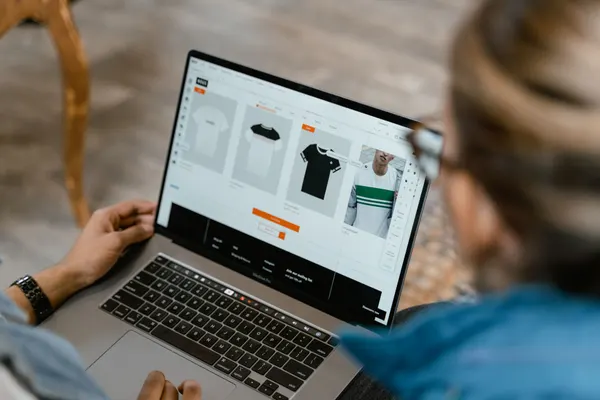


People often ask which platform is the best for selling online. There is no single answer, because each option trades something away. The useful question is what you need most right now: traffic, control, low cost or a quick start.
Your own store
A hosted store builder or an open-source setup, with your own domain.
Strengths
- You own the customer relationship, the emails and the brand.
- No marketplace taking a share of each sale, apart from payment fees and your plan.
- Full control over design, pricing and policies.
Trade-offs
- Nobody visits by default. You have to bring all the traffic, through ads, content or social media.
- Setup and upkeep take time.
A store is the best long-term base, especially if you want a brand. It is a slower start than a marketplace.
Marketplaces
Large platforms where shoppers already go looking for products.
Strengths
- Built-in traffic and trust. Buyers know the checkout.
- A fast way to test whether a product sells.
Trade-offs
- Fees and commissions on every sale.
- Rules you must follow, and the platform can suspend your account.
- Competitors listed next to you, often with lower prices.
- You do not really own the customer.
Some marketplaces do not suit dropshipping at all, or require strict conditions on shipping times, so read the seller policy before building a business on one.
Social selling
Selling through shops on social platforms or through direct messages.
Strengths
- Reach into audiences that were not searching for you.
- Good for visual or impulse products.
Trade-offs
- Reach depends on the algorithm, which changes.
- Content creation is a constant job.
See social media for a small store for how to make this work.
How to choose
- If you want a brand and long-term growth: start with your own store.
- If you need quick feedback on products with little budget: test on a marketplace, then move the winners to your store.
- If your product is visual and your audience is on social platforms: combine your store with social content.
Most successful sellers end up with a mix. They keep the store as the home, use marketplaces and social to reach new people and send repeat buyers to the store.
Mistakes to avoid
- Selling on five platforms at once with no capacity to manage them.
- Building everything on a single marketplace with no email list.
- Choosing a platform because a video said so, not because it fits your product.
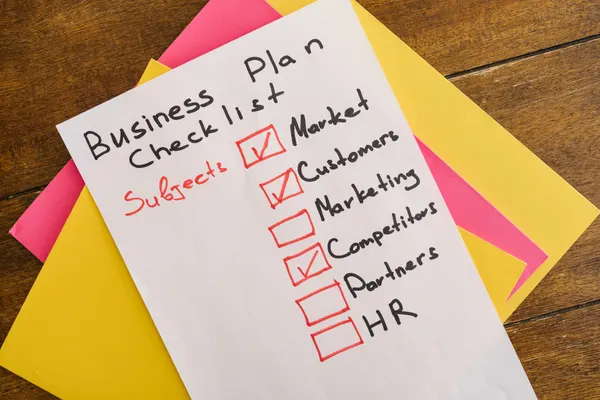
Whichever you choose, get the basics right on the page that sells: see what makes a product page convert, and run through the pre-launch checklist before you open.
Product research, store research, ads spy and video dropshipping in one place.