
Some of the easiest demand to predict is the kind that returns every year. Gifts, holidays, back to school, summer, winter. You know when it will come. What catches stores out is the lead time: suppliers, shipping and testing all take longer than people expect, and by the time you notice a season is here, it is too late to sell into it.
Build a calendar for your niche
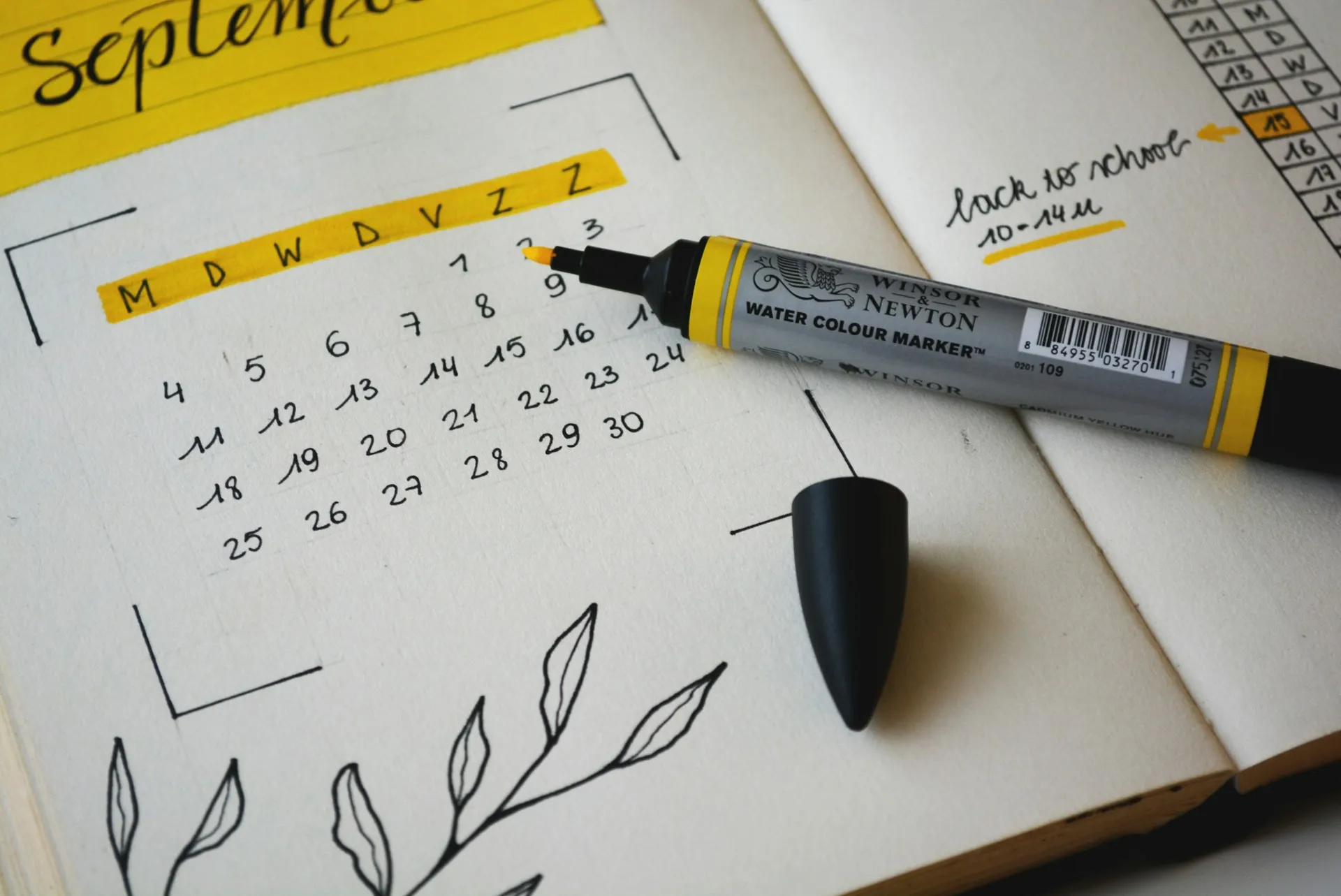
Start with a blank twelve-month grid. Mark the dates that matter in the countries you sell to: public holidays, gift-giving days, sales events, weather changes, school terms. Then think about which of them relate to your products. A pet store has different peaks from a home office store, and they are not the same as the global events.
Look at your own data too. If you have sold for a year, last year's orders are the best forecast you have.
Work backwards from the peak
For each season, count back from the date when demand peaks:
- Peak date. When most people buy.
- Shipping buffer. Longer delivery times mean customers need to order earlier. For items shipped from far away, buyers may stop ordering weeks before the event (see shipping times).
- Ad ramp-up. Allow time for testing creatives and audiences, usually several weeks.
- Supplier checks and samples. A month or more, to order samples and check quality.
- Product selection. Early, when interest begins to rise.
For a late-year gifting season, that often means picking products in the summer.
Choose products with the season in mind
Good seasonal products are simple to understand, easy to give as a gift or clearly linked to the occasion. Avoid anything that is only popular for a single year's meme. Run the usual validation steps, and do not skip the sample.
Keep evergreen products as well
A store that depends only on one season will have long quiet periods. Keep a few evergreen products that sell throughout the year, and use the seasonal ones as boosts. This also helps cash flow.
Manage the end of the season
- Pause ads when the delivery window can no longer be met, and say so on your site.
- Do not leave a Christmas product live in February with no explanation.
- Note what worked and what didn't, so next year's plan is better.
A simple template
For each event in your calendar, write one line: the event, the peak date, the last date you can promise delivery, the date you start ads, the date you order samples, and the products you are considering. Check it monthly. After one cycle you will see how much easier it is to plan than to react.
Product research, store research, ads spy and video dropshipping in one place.